
SELF-DRILLING ANCHOR SYSTEMS
Self-Drilling Anchor Systems & Hollow Bar Components
Hollow bar anchors and compatible components for soil nailing, micropiles, rock bolting, slope stabilization and tunneling. Explore our product range for ground engineering and support applications.
SDA TECHNOLOGY & SYSTEM OVERVIEW
What Is a Self-Drilling Hollow Bar Anchor?
A self-drilling anchor (SDA) is a ground reinforcement system that combines drilling and anchor installation, with grout introduced through the hollow bar. The bar remains in the ground as the reinforcement after installation.
Unlike conventional solid-bar anchors, a hollow bar has a central bore that can carry flushing media during drilling and grout during installation. This design can simplify installation in unstable ground where maintaining an open borehole may be difficult.
Its external thread allows compatible components to be connected along the bar. Depending on the system design, these include couplers, anchor nuts and bearing plates.
Self-drilling hollow bar systems are used in applications such as soil nailing, micropiles, rock bolting, slope stabilization and tunneling. The configuration depends on the project requirements and ground conditions.
The threaded hollow bar acts as the drilling member, grout conduit and permanent reinforcement after installation.
How Does a Self-Drilling Anchor System Work?
A typical installation uses a hollow bar fitted with a sacrificial drill bit. The assembly is drilled into the ground, additional bar sections are connected when required, and grout is introduced through the hollow core according to the project specification.
Drilling
A sacrificial drill bit is attached to the hollow bar, which is advanced into the ground using suitable drilling equipment.
Bar Extension
Where greater installation lengths are required, compatible threaded couplers connect additional hollow-bar sections.
Grouting
Grout is delivered through the hollow bar using the specified installation procedure to form the grout body around the installed reinforcement.
Load Transfer
The installed anchor transfers load through the designed bar-grout-ground system. Compatible head components, including nuts and bearing plates, are used where required.
Installation procedures, grout requirements and load-transfer details must follow the selected anchor system and project specifications.
Self-Drilling Anchor System Components
A typical system combines a hollow bar with compatible drilling, connection and load-transfer components. Select a product below to explore its specifications and available options.
INSTALLATION & SYSTEM BENEFITS
Why Choose a Self-Drilling Anchor System?
Self-drilling anchors integrate drilling and reinforcement installation, with grout delivered through the hollow bar. This approach can reduce the need for separate borehole preparation and is particularly useful in certain unstable or difficult ground conditions.
Self-Drilling Anchor Applications
Self-drilling hollow bar systems are used in geotechnical engineering, foundation work and ground support. By combining drilling, reinforcement installation and grout injection within one system, they can simplify installation in ground conditions where maintaining a conventional borehole is difficult.
Hollow Bar Soil Nails
Hollow bar soil nails reinforce slopes, excavations and retaining structures. The hollow bar is advanced into the ground with a sacrificial drill bit, then grouted through its central bore as part of the installation process.
This method can be advantageous in loose or unstable ground where conventional boreholes may be difficult to maintain.
Explore Soil Nail Systems →Hollow Bar Micropiles
Hollow bar micropiles can be used in foundation and underpinning projects where the specified system is suitable for the ground conditions and design requirements. The bar remains in the ground as a reinforcing element after installation and grouting.
Additional bar sections can be joined with compatible couplers to achieve the required installation length.
Explore Micropile Systems →Self-Drilling Rock Bolts
Self-drilling hollow bar rock bolts can reinforce rock masses and provide ground support in tunneling, mining and underground construction. The bar serves as both the drilling member and the installed reinforcement.
Compatible drill bits are selected according to the ground conditions and the requirements of the drilling system.
Explore Drill Bits →Other Applications
Slope Stabilization
Hollow bar soil nails can form part of engineered systems for reinforcing slopes and controlling ground movement.
Tunnel Support
Self-drilling anchors can provide reinforcement in tunneling and other underground construction projects.
Mining Ground Support
Suitable hollow bar systems can be used for ground reinforcement in underground mining environments.
Excavation Support
Self-drilling soil nails can be incorporated into designed ground-retention systems for excavations and retaining structures.
Hollow Bar Nails for Soil Nailing
Hollow bar soil nails combine drilling, reinforcement and grouting in an integrated installation system. A sacrificial drill bit is attached to the hollow steel bar, which advances into the ground while flushing and grout injection are carried out according to the specified installation method.
After grouting, the hollow bar acts as reinforcement within the soil. Nail length and drilling configuration can be adapted to project requirements using compatible bar sections, couplers and drill bits.
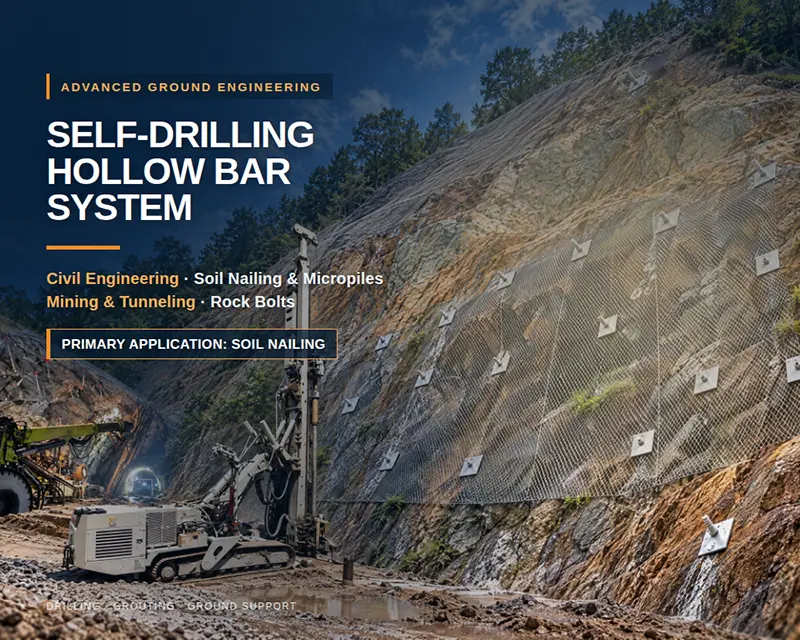
A Complete Hollow Bar Soil-Nailing System
A typical system includes a nail head assembly, hollow steel bar, compatible couplers, sacrificial drill bit and grout body.
Threaded bar sections can be joined to achieve the required installation length. The thread profile and accessories must match the selected system.
Explore Hollow Bar Systems →Components of a Hollow Bar Nail
Components are selected according to the ground conditions, installation method, nail length and project design.
Nail Head Assembly
The head assembly transfers load from the installed nail to the bearing plate and supported structure.
View Nuts →Hollow Steel Bar
The hollow bar serves as the drilling member during installation and remains as the steel reinforcement after grouting.
View Hollow Bars →Threaded Coupler
Compatible couplers connect bar sections when a longer nail is required.
View Couplers →Sacrificial Drill Bit
Attached to the leading end of the hollow bar, the drill bit remains in the ground after installation. Its design should suit the ground conditions and bore diameter.
View Drill Bits →Grout Body
Cement grout surrounds the installed bar and contributes to load transfer between the reinforcement and surrounding ground. Performance depends on the design and site conditions.
Hollow Bar Soil-Nailing Features
Adaptable Nail Length
Compatible threaded couplers allow additional bar sections to be connected to achieve the required installation length.
Drill Bit Options
Different bit geometries and cutting materials are available for selection according to the ground and drilling method.
Steel–Grout Interaction
The threaded profile provides mechanical interaction with the grout. Bond performance also depends on grout properties, installation quality and ground conditions.
Multiple Bar Configurations
Different bar sizes and cross-sections are available for selection according to the engineering design.
Sectional Assembly
Bars can be supplied in sections and joined on site, subject to the selected system and installation requirements.
Integrated Installation Method
Drilling and reinforcement installation are integrated. Flushing and grouting procedures depend on the specified system and site method.
Temporary and Permanent Hollow Bar Nails
Corrosion protection and design service life should be specified according to the project requirements, exposure conditions and applicable design standards.
Temporary Hollow Bar Nails
The supplied reference material specifies a service life of up to 2 years for temporary configurations. Confirm suitability against the project specification.
Permanent Hollow Bar Nails
Options described in the reference material include untreated and hot-dip galvanized steel. A service life of up to 50 years is stated for the referenced configurations, subject to corrosion conditions and project-specific design.
These service-life figures are reference-catalog statements, not universal guarantees. Required corrosion allowance, protection and design life must be confirmed by the project engineer.
Hollow Bar Soil Nail Installation
The installation sequence varies with the drilling equipment, ground conditions and project specification. A typical sequence is outlined below.
Select the Drill Bit
Choose a suitable bit configuration for the anticipated ground conditions and required bore diameter.
Drill Bit Selection →Prepare the Assembly
Connect the sacrificial bit to the compatible hollow bar and prepare the drilling assembly.
Drill and Advance
Advance the bar and bit into the ground using the specified drilling and flushing method.
Connect Additional Sections
Use compatible threaded couplers when additional bar length is required.
Hollow Bar Couplers →Inject Grout
Inject grout through the hollow bar according to the specified grouting procedure.
Complete the Nail Head
Install the specified head, nut and bearing components for the required load-transfer arrangement.
Bearing Plates →Where Hollow Bar Soil Nails Are Used
Reinforcement of natural and excavated slopes.
Stabilization of cut faces and excavation systems.
Ground reinforcement as part of retaining and stabilization works.
Ground reinforcement for road, rail and civil engineering projects.
Need a Hollow Bar Soil-Nailing System?
Share your required bar size, thread system, nail length, drilling diameter and ground conditions. We can help identify compatible hollow bars and accessories for your specification.
Hollow Bar Piles for Micropile Applications
Hollow bar micropiles use a self-drilling hollow steel bar as the steel member within a grouted pile system. The drilling assembly and reinforcement are installed together, followed by grouting according to the specified method.
A typical assembly includes the hollow bar, compatible couplers, sacrificial drill bit, grout body and pile-head components. Spacers may be used where required by the system design.
Hollow Bar Piles for Restricted-Access Foundations
Depending on the design and ground conditions, self-drilling hollow bar systems can be considered for foundation work where sectional installation and an integrated drilling assembly are useful.
The hollow bar remains within the grouted pile as the specified steel structural member.
View Hollow Bar Systems →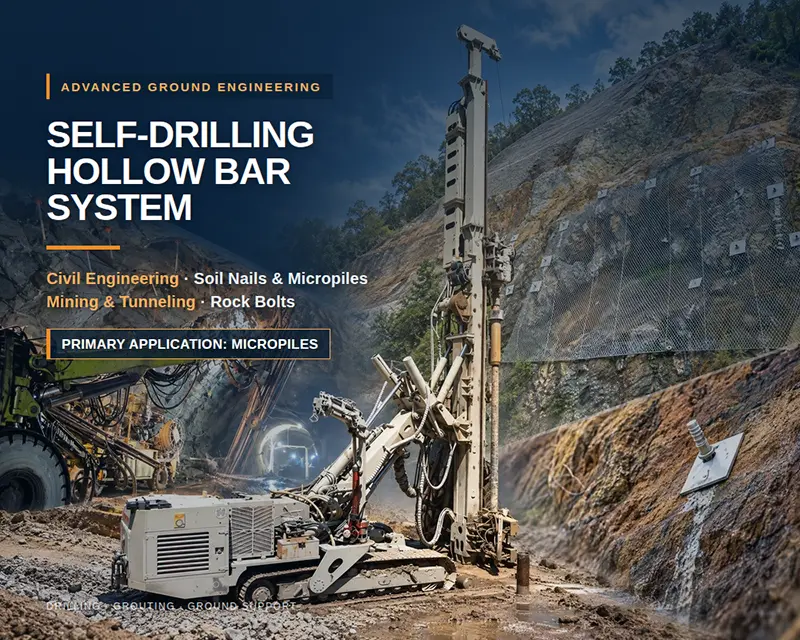
Components of a Hollow Bar Micropile
Component selection depends on the pile design, thread system, installation method and head connection.
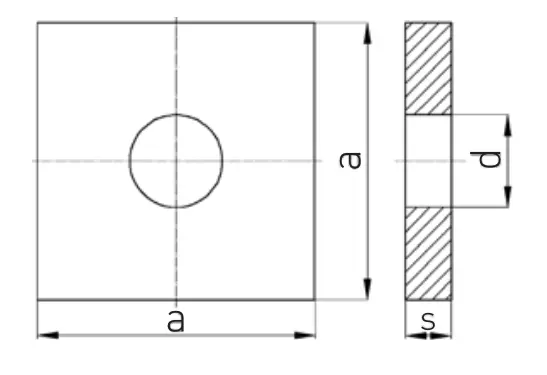
Pile Head and Bearing Plate
The pile-head arrangement transfers structural load through the specified bearing and connection components.
Pile Head Plates →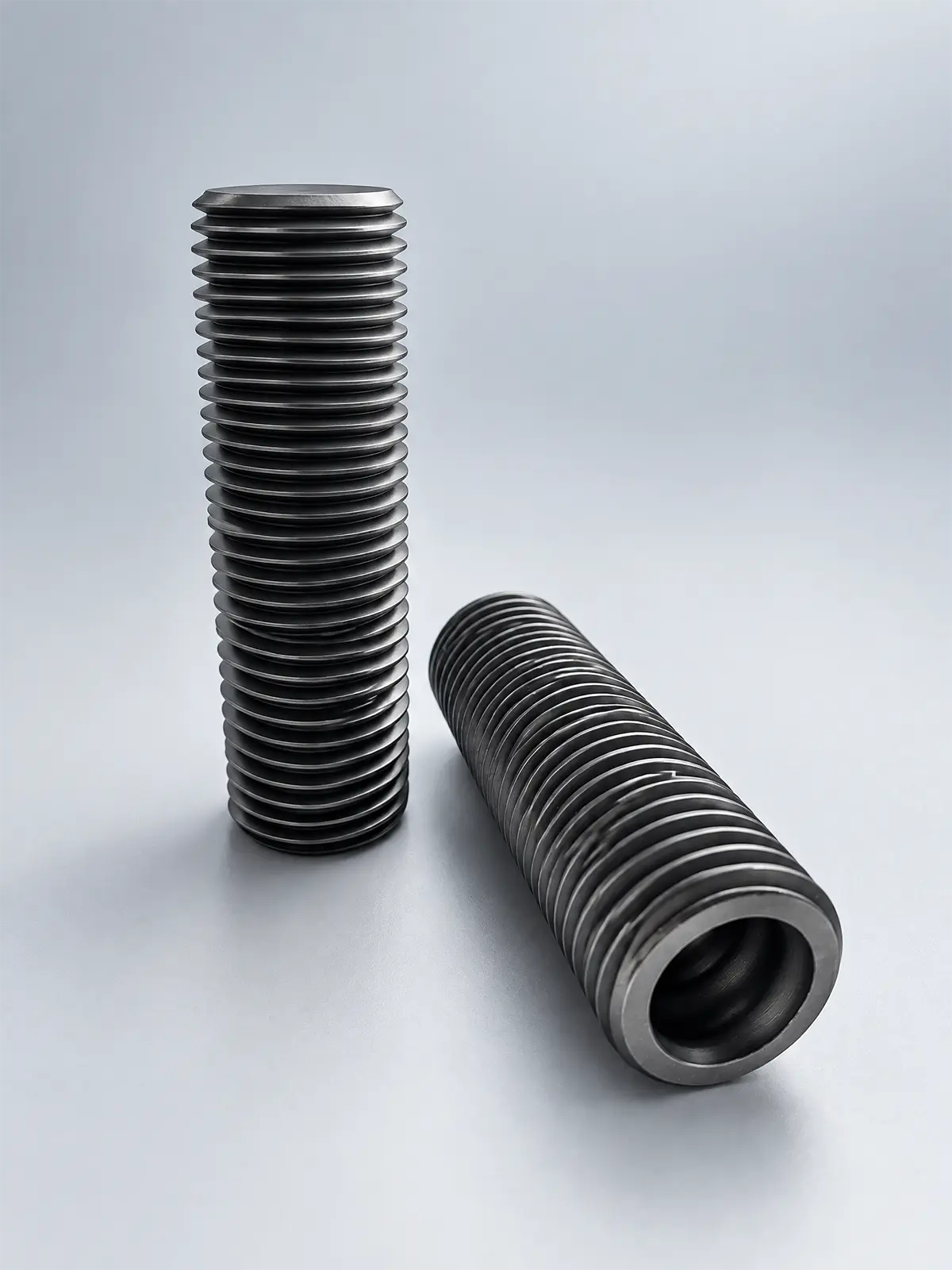
Hollow Steel Bar
The bar serves as the specified steel member and provides an internal passage for flushing and grout injection.
Hollow Bar Technical Data →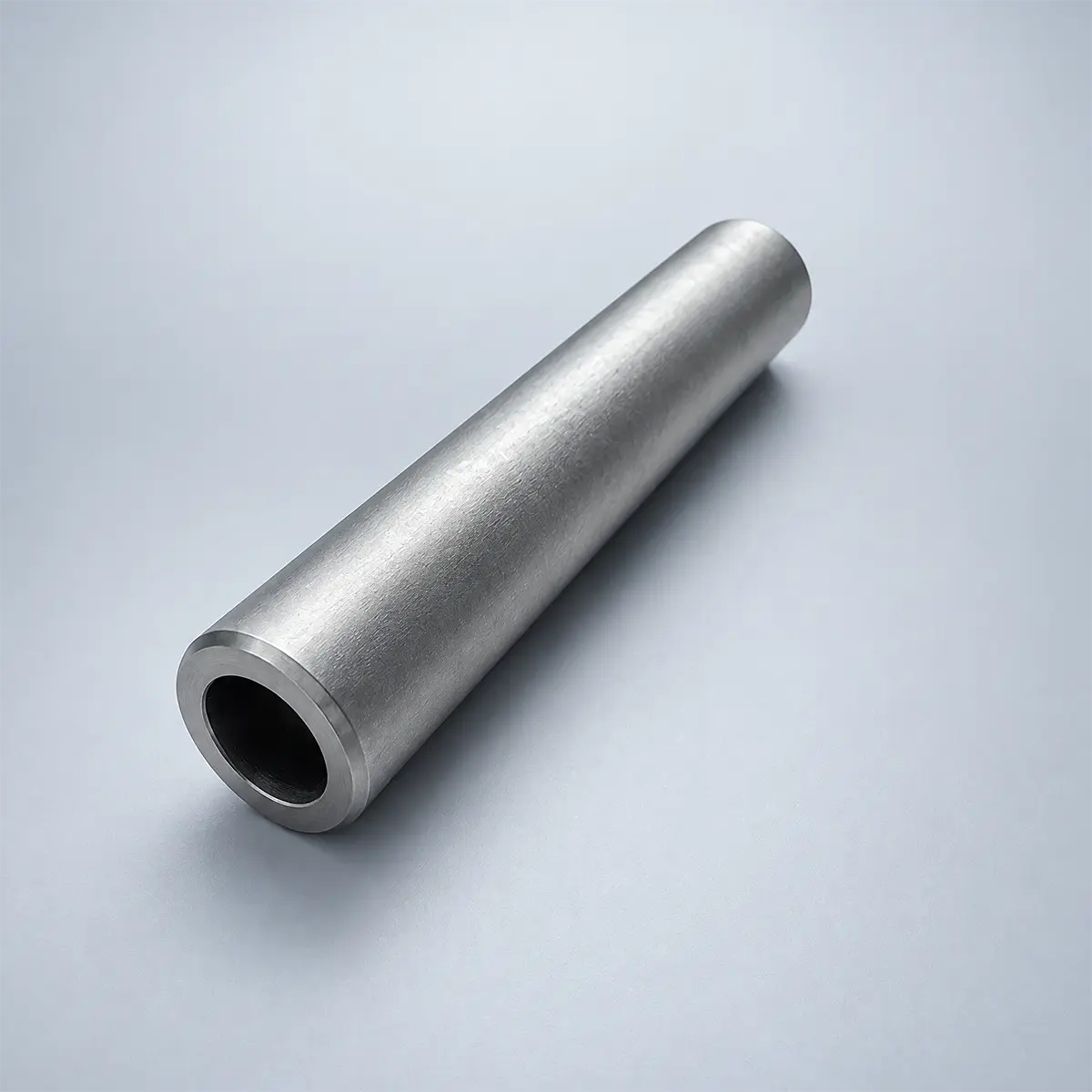
Hollow Bar Coupler
Compatible couplers connect bar sections when the required pile length exceeds a single section.
Hollow Bar Couplers →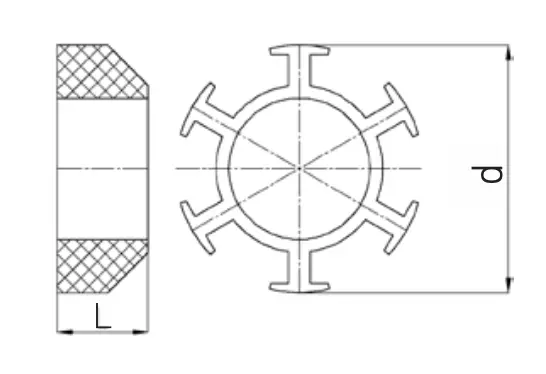
Spacers
Where specified, spacers help position the bar within the pile and maintain the required reinforcement arrangement.
Explore Spacers →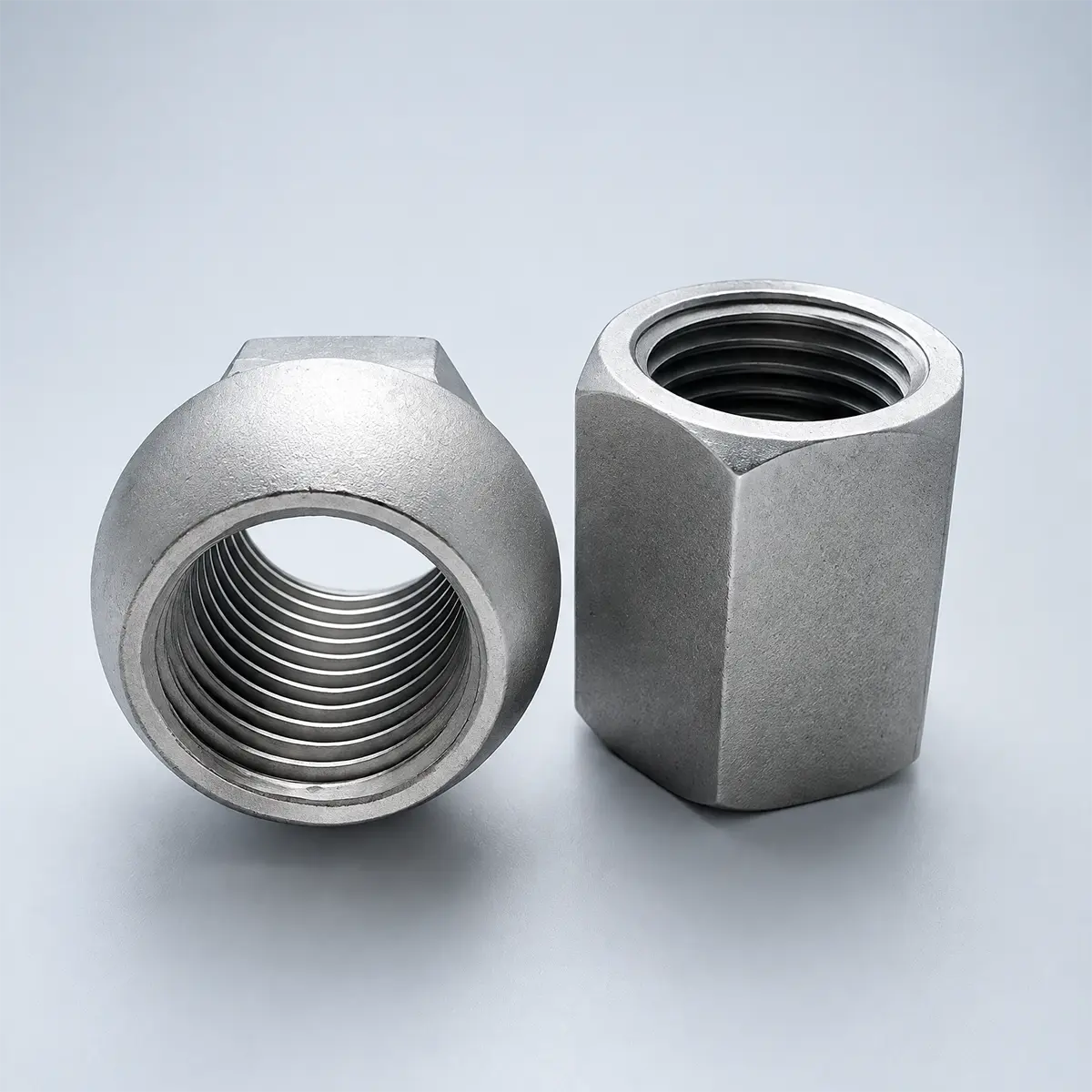
Nuts and Load-Transfer Components
Compatible nuts and bearing components are selected according to the specified pile-head connection.
Hollow Bar Nuts →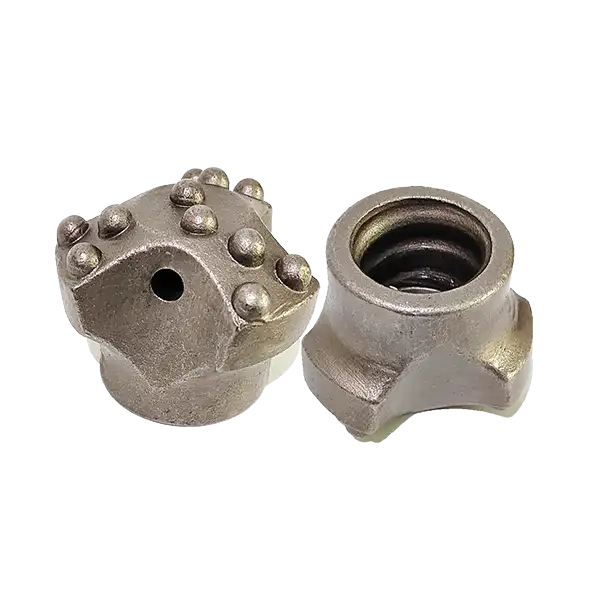
Sacrificial Drill Bit
The drill bit attaches to the leading end of the hollow bar and remains in the ground after drilling.
Drill Bit Selection →Hollow Bar Micropile System Features
Steel Structural Member
The hollow bar serves as the specified steel member within the grouted pile.
Integrated Drilling Assembly
The sacrificial bit connects to the hollow bar so the drilling assembly and steel member are installed together.
Adaptable Pile Length
Compatible couplers allow bar sections to be joined where a longer pile is required.
Drill Bit Options
Different bit designs can be considered according to ground conditions and required bore diameter.
Steel–Grout Interaction
The threaded bar profile provides mechanical interaction with grout. Overall performance depends on the complete system and installation conditions.
Multiple Bar Configurations
Bar dimensions and mechanical properties should be selected to meet the project design requirements.
Sectional Assembly
Bars supplied in sections can be connected on site using compatible threaded couplers.
Integrated Installation Sequence
Drilling, bar installation and grout injection form part of the self-drilling method, with procedures determined by the project specification.
Temporary and Permanent Hollow Bar Piles
Corrosion protection and design service life must be established for the project conditions and applicable engineering requirements.
Temporary Hollow Bar Piles
The supplied reference material specifies a service life of up to 2 years for temporary configurations. Confirm suitability against the project specification.
Permanent Hollow Bar Piles
The reference material describes untreated and hot-dip galvanized configurations with a stated service life of up to 50 years, subject to soil-dependent corrosion conditions and project-specific design.
These figures are reference-catalog statements, not universal guarantees. The project engineer should specify the required corrosion protection and design life.
Hollow Bar Micropile Installation
The sequence below is illustrative. Actual drilling, flushing, spacer placement, grouting and pile-head procedures depend on the system and project design.
Assess Ground Conditions
Establish the expected ground conditions, required bore diameter and pile design requirements.
Select the Drill Bit
Choose a compatible bit according to the ground and specified drilling diameter.
Drill Bits →Drill the Pile
Advance the drill bit and hollow bar using the specified drilling and flushing procedure.
Extend with Couplers
Connect additional bar sections using compatible threaded couplers where required.
Couplers →Position the Bar
Install compatible spacers where required by the reinforcement and grout-cover specification.
Inject Grout
Inject grout through the hollow bar in accordance with the specified grouting procedure.
Complete the Pile Head
Install the specified pile-head and bearing components for the structural connection.
Pile Head Plates →Hollow Bar Micropile Applications
Micropiles designed to transfer structural loads into suitable ground.
Foundation strengthening where the selected micropile system is suitable.
Projects where compact equipment and sectional installation may be useful.
Systems configured with drill bits selected for the anticipated ground.
Foundation support for civil engineering and infrastructure projects.
Micropiles used as part of a project-specific stabilization design.
Hollow Bar Nails vs. Hollow Bar Micropiles
Both use the self-drilling hollow bar principle, but their intended structural functions and head arrangements differ.
| Feature | Hollow Bar Nails | Hollow Bar Micropiles |
|---|---|---|
| Typical application | Soil reinforcement and soil nailing | Foundation support and micropiles |
| Structural function | Reinforcement of soil as part of a designed nail system | Steel member within a designed grouted pile |
| Typical components | Head assembly, hollow bar, coupler, drill bit and grout | Pile head, hollow bar, coupler, drill bit and grout; spacers where required |
| Length adjustment | Compatible threaded couplers | Compatible threaded couplers |
| Drill bit | Sacrificial, selected for the system and ground | Sacrificial, selected for the system and ground |
| Grouting | According to the specified installation method | According to the specified installation method |
| Service life | Determined by project requirements and corrosion design | Determined by project requirements and corrosion design |
Looking for Hollow Bar Nails or Micropiles?
Rayon Machinery supplies hollow bars and compatible self-drilling anchor accessories for soil nailing, micropiles and other ground-support applications.
Share your required bar size, thread system, drilling diameter, installation length and project conditions. We can help identify the relevant products and available technical documentation.
Hollow Bar Technical Specifications
Self-drilling hollow bars are the central structural and drilling component of an SDA system. They provide the drilling path for flushing and grout injection while remaining in the ground as the steel tendon or structural member after installation.
Hollow bars are available in different diameters, thread configurations and steel cross-sections to suit different drilling conditions, installation requirements and design loads.
Hollow Steel Bars for SDA Systems
The hollow steel bar combines drilling and reinforcement functions in one component. During installation, flushing fluid and grout can pass through the central bore. After grouting, the threaded bar remains as the reinforcement element.
Depending on the application, hollow bars can be used in soil nailing, micropiles, rock bolts and other ground engineering applications.
R-Thread Hollow Bars
R-thread hollow bars use a coarse cold-rolled round thread. The R-thread system is used for self-drilling anchor applications where the bar must provide both drilling and structural reinforcement functions.
The reference technical material identifies R-thread sizes from approximately 32 mm to 51 mm, with R32 and R38 dimensions corresponding to ISO 10208 and the larger R51 configuration following the applicable factory standard.
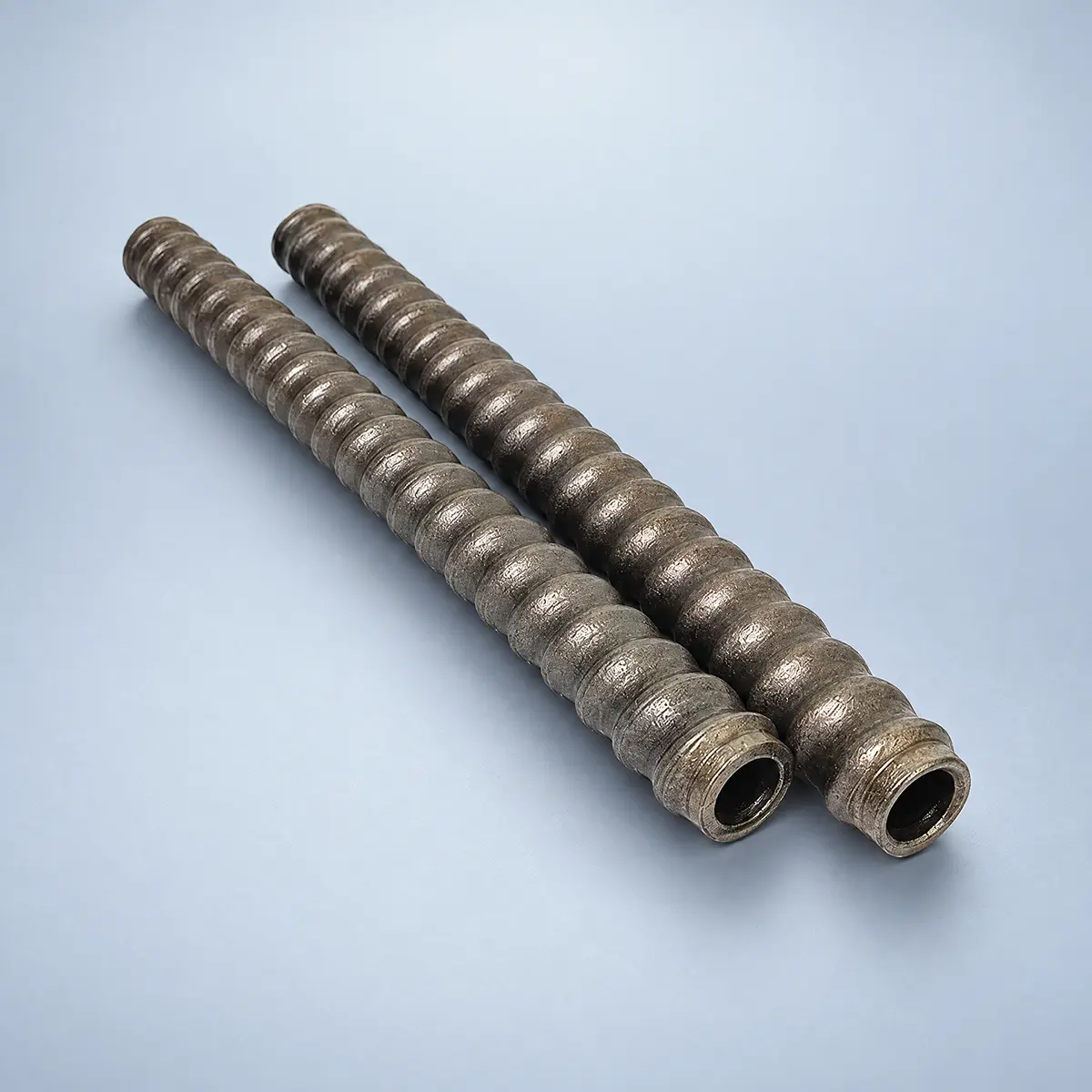
Typical R-Thread Hollow Bar Range
The technical reference includes hollow bar configurations covering R32, R38 and R51 sizes. Actual available configurations should be selected according to the required cross-section, load capacity, drilling diameter and project requirements.
View R-Thread Technical Information →R-Thread Hollow Bar Performance Data
The following values are reproduced from the technical reference material and are presented here as engineering reference data. Final selection should be based on the applicable project design and specifications.
| Thread | Outer Diameter | Cross-Sectional Area | Weight | Yield Load | Ultimate Load |
|---|---|---|---|---|---|
| R32 | 32 mm | 0.51–0.88 in² | 1.75–2.96 lb/ft | 38–74 kips | 47–90 kips |
| R38 | 38 mm | 0.99–1.15 in² | 3.36–3.90 lb/ft | 79–90 kips | 94–112 kips |
| R51 | 51 mm | 1.44–1.78 in² | 4.91–6.05 lb/ft | 119–142 kips | 142–180 kips |
T-Thread Hollow Bars
T-thread hollow bars use a cold-rolled trapezoidal thread and are available in larger diameters for applications requiring higher structural capacity and larger drilling assemblies.
The technical reference covers T64, T76 and T108 hollow bar configurations.
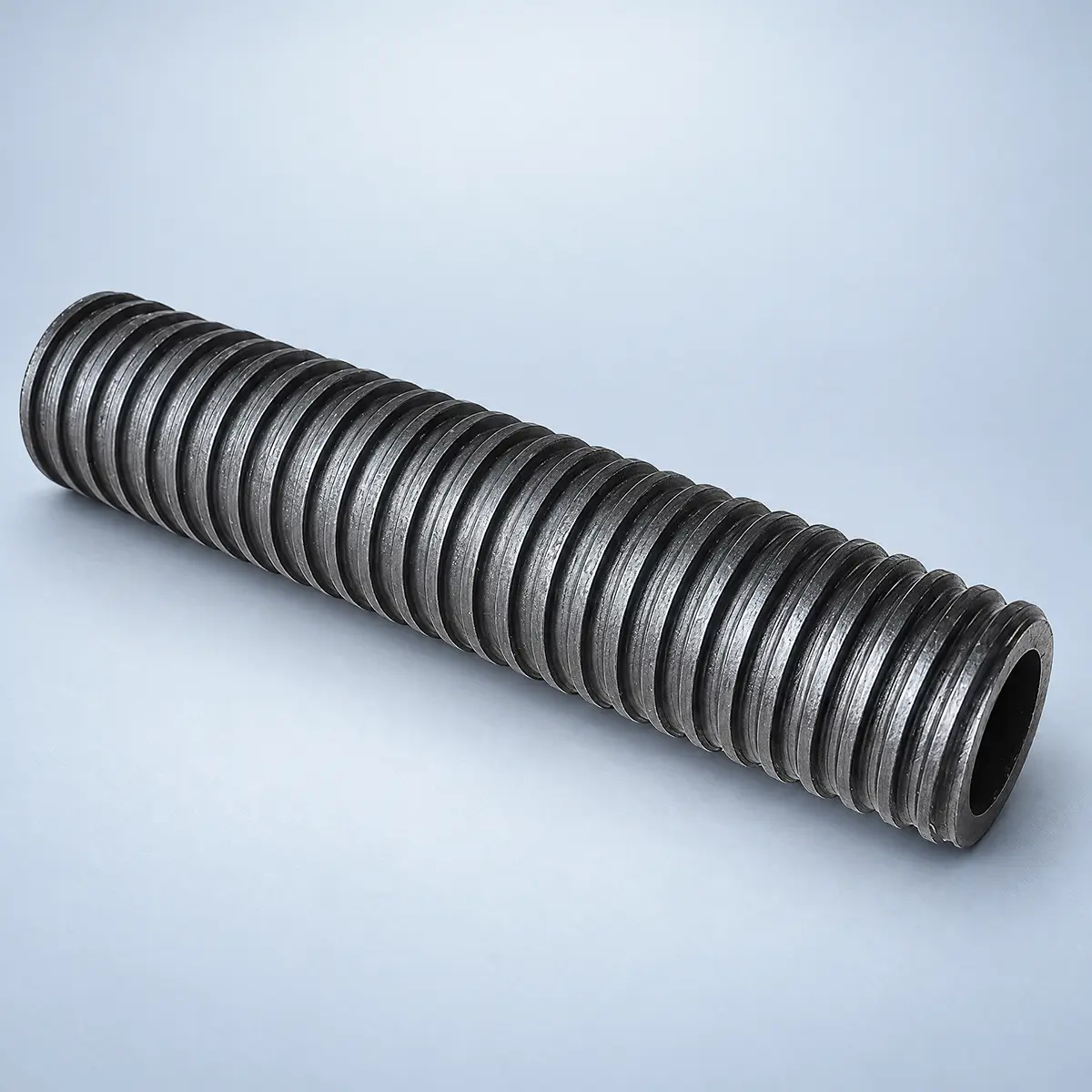
Typical T-Thread Hollow Bar Range
Larger T-thread hollow bars provide a wider range of structural capacities for heavy-duty self-drilling anchor and ground engineering applications.
View T-Thread Technical Information →T-Thread Hollow Bar Performance Data
Technical values below are based on the reference hollow bar data. Dimensions and load values should be checked against the specific hollow bar configuration selected for the project.
| Thread | Outer Diameter | Cross-Sectional Area | Weight | Yield Load | Ultimate Load |
|---|---|---|---|---|---|
| T64 | 64 mm | 2.36–2.80 in² | 7.73–9.07 lb/ft | 180–214 kips | 225–270 kips |
| T76 | 76 mm | 3.24–3.91 in² | 10.62–13.24 lb/ft | 243–315 kips | 315–405 kips |
| T108 | 108 mm | 5.66 in² | 18.68 lb/ft | 400 kips | 540 kips |
Outer Diameter
The outside diameter of the hollow bar is an important parameter for selecting compatible couplers, nuts, plates and drill bits.
Cross-Sectional Area
The steel cross-sectional area is used when evaluating the structural capacity of the hollow bar.
Yield Load
Yield load provides a reference value for the onset of yielding of the steel section.
Ultimate Load
Ultimate load indicates the reference ultimate capacity stated for the corresponding hollow bar configuration.
Weight
Unit weight is important for transportation, handling and selection of drilling equipment.
Elongation
Elongation is another material-performance parameter provided for the applicable hollow bar configurations.
Hollow Bar Anchor Accessories
A self-drilling hollow bar system requires compatible accessories for connection, load transfer, drilling and reinforcement positioning.
Accessory dimensions must be matched to the hollow bar diameter and thread system. Rayon Machinery supplies compatible couplers, nuts, plates, spacers and other self-drilling anchor accessories.
Hollow Bar Couplers
Threaded couplers connect hollow bar sections to extend the total installation length. They are particularly useful when bars are supplied and handled in shorter sections.
Couplers can also help adapt the installed length to changing geological conditions on site.
View Couplers →Hollow Bar Nuts
Nuts provide the threaded connection required at the exposed end of the hollow bar and transfer load through the bearing assembly.
Different nut configurations can be selected according to the anchor head, bearing plate and required load transfer arrangement.
View Nuts →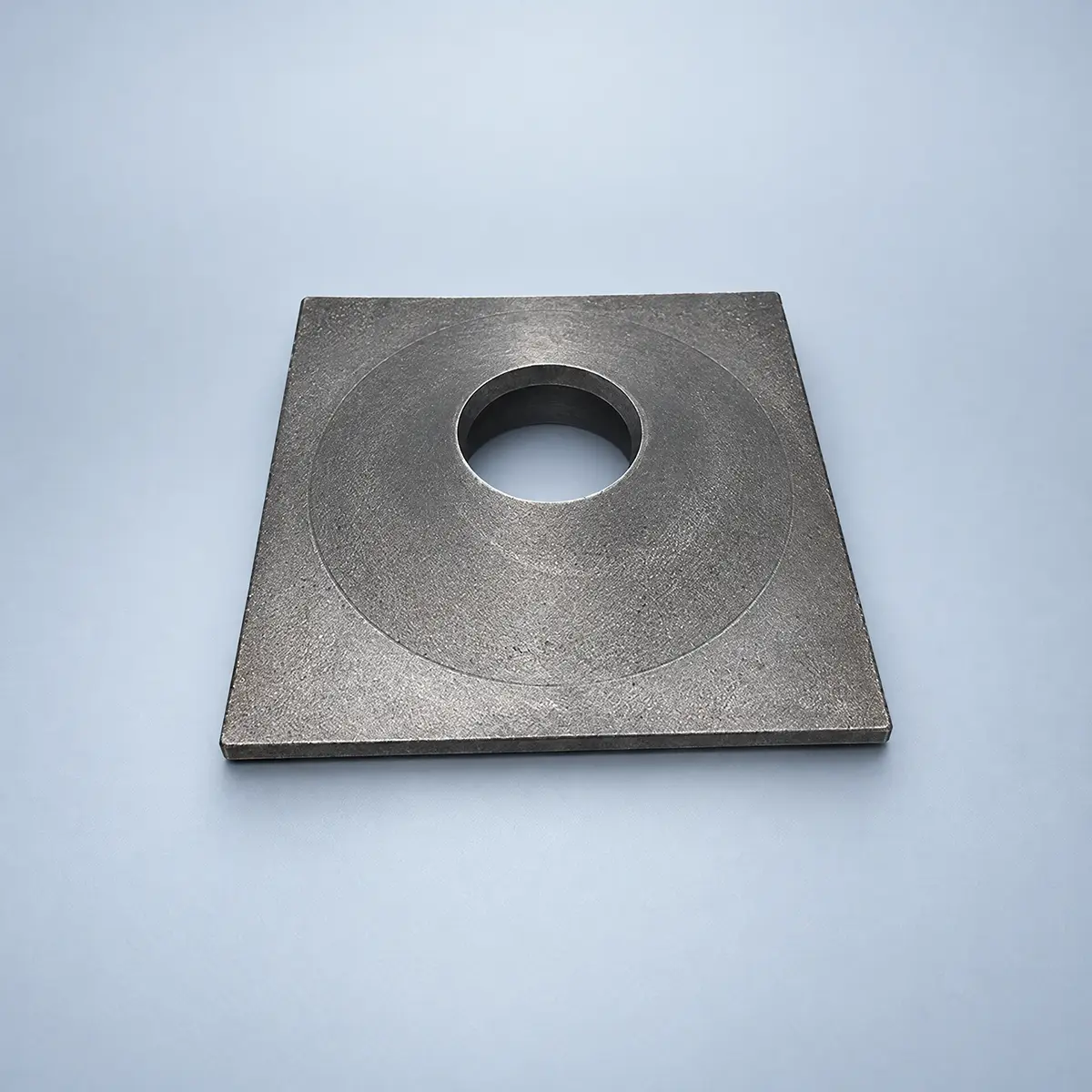
Anchor Bearing Plates
Bearing plates distribute the load from the threaded anchor head into the surrounding structural or ground support system.
Dome plates and flat plates can be selected according to the anchor configuration and required load-transfer arrangement.
View Anchor Plates →Pile Head Plates
Flat pile head plates are used in micropile and pile head assemblies to provide a bearing surface and transfer structural loads into the installed hollow bar.
View Plates →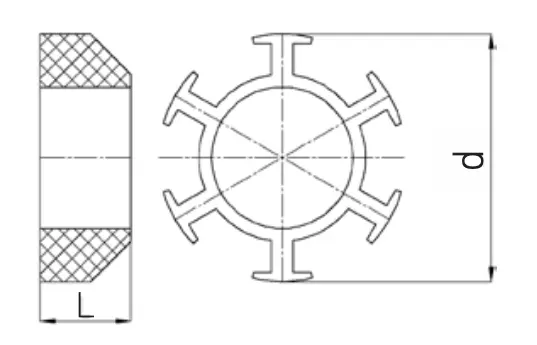
Hollow Bar Spacers
Spacers are used in hollow bar pile systems to help maintain the required position of the hollow bar within the grouted pile.
Steel and PE spacer configurations are available for different system requirements.
Hollow Bar Accessories →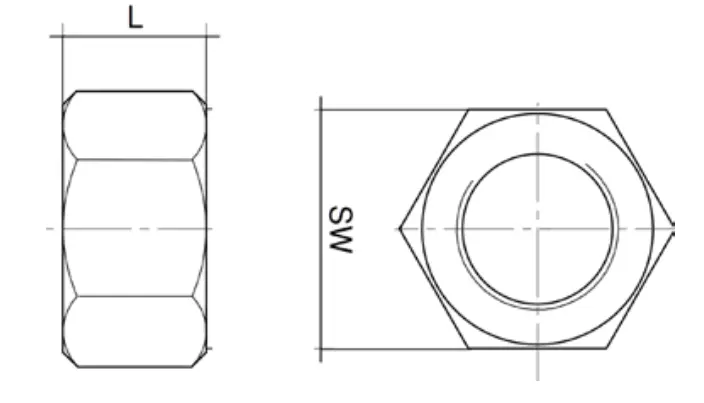
Lock Nuts
Lock nuts are used where an additional locking function is required in the threaded connection.
View Nut Products →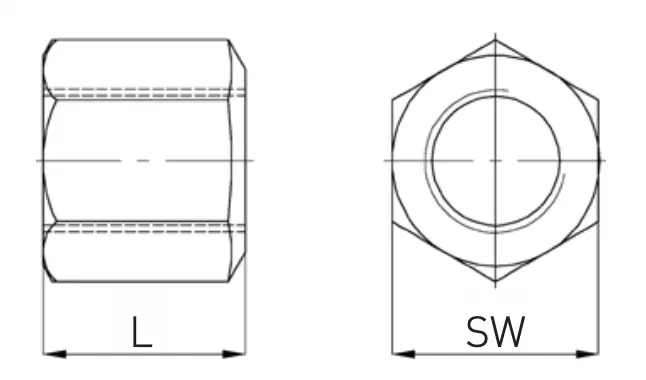
Hex Nuts
Hex nuts are available in configurations including flat and bull-nose forms for different hollow bar anchor arrangements.
View Hex Nuts →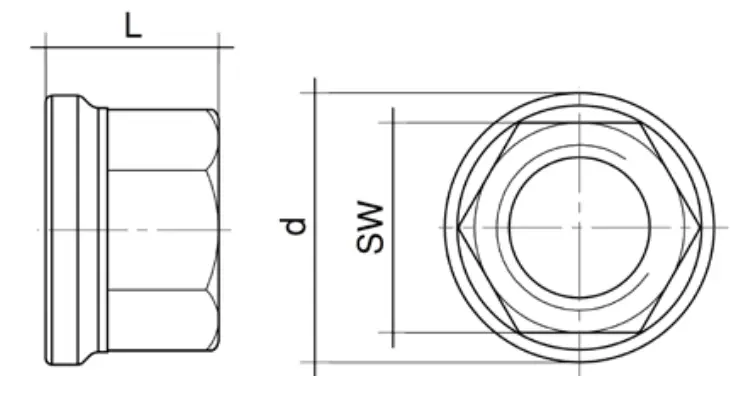
Flanged Hex Nuts
Flanged hex nuts provide an integrated bearing flange and are used in compatible hollow bar anchor configurations.
View Flanged Nuts →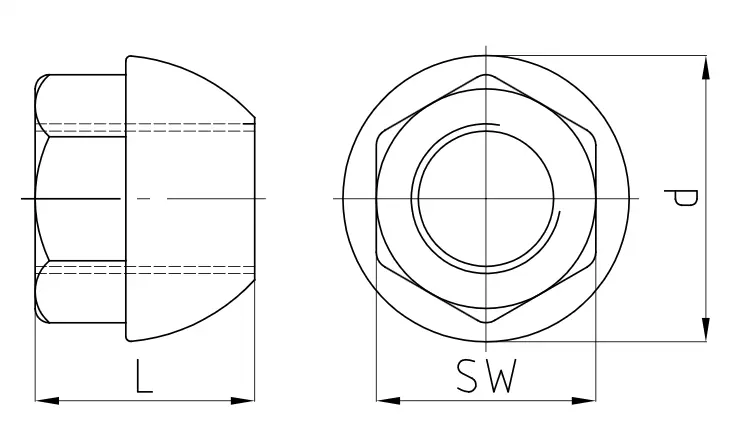
Dome Nuts
Dome nuts are used as part of compatible hollow bar anchor head assemblies where a domed nut configuration is required.
View Dome Nuts →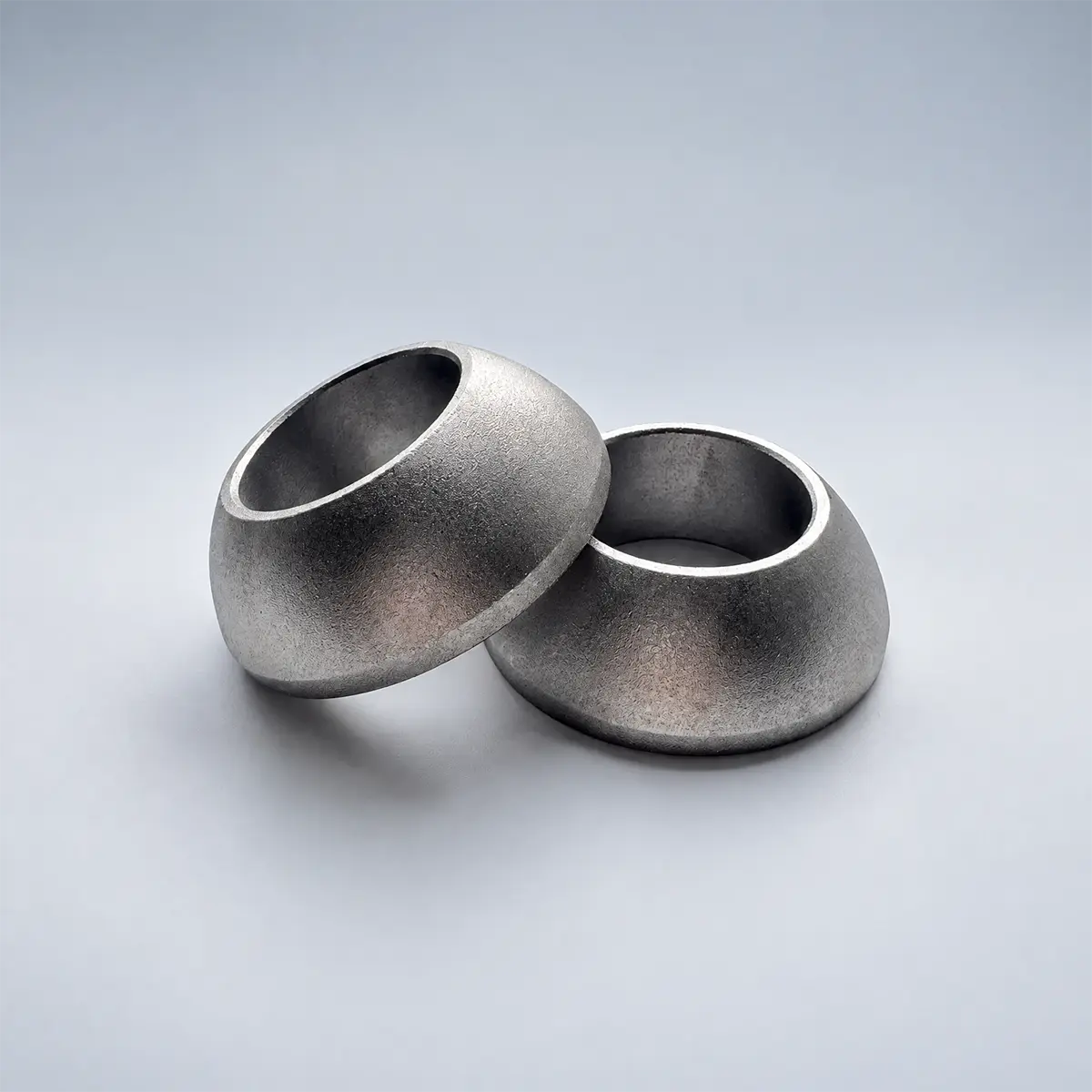
Domed Washers
Domed washers are used with compatible anchor head assemblies to provide the required bearing and connection geometry.
View Plate Components →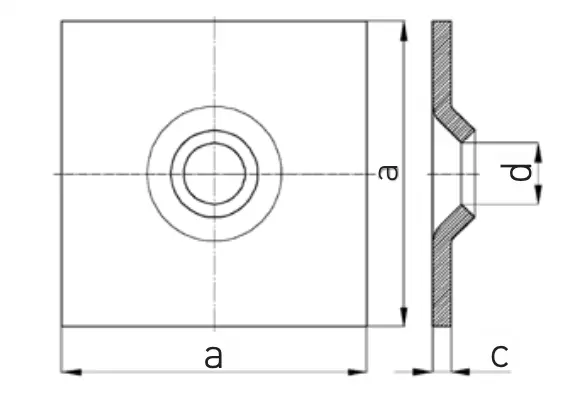
Domed Plates
Domed plates form part of the bearing assembly for compatible hollow bar anchor systems and are selected according to the bar and head configuration.
View Plates →How to Select Hollow Bar Accessories
Hollow bar accessories are not interchangeable across all diameters and thread systems. The bar diameter, thread profile and application should be confirmed before selecting the corresponding accessory.
Identify the Thread System
Determine whether the hollow bar uses an R-thread or T-thread configuration.
Compare Thread Systems →Confirm Bar Diameter
Match the accessory to the outside diameter and thread dimensions of the hollow bar.
Define the Application
Soil nails, micropiles, rock bolts and other applications may require different head, bearing and positioning arrangements.
Select the Drill Bit
Drill bit selection should reflect the expected soil, rock and drilling conditions.
Explore Drill Bits →Select the Connection Components
Choose compatible couplers and nuts for the selected hollow bar system.
Couplers →Complete the Bearing Assembly
Select the appropriate plate, washer and head components according to the required load-transfer arrangement.
Plates & Bearing Components →Hollow Bar System at a Glance
| Component | Main Function | Related Product |
|---|---|---|
| Hollow Bar | Drilling tendon and structural reinforcement | Hollow Bars |
| Coupler | Connects hollow bar sections | Couplers |
| Drill Bit | Drilling and borehole formation | Drill Bits |
| Nut | Threaded load transfer | Nuts |
| Plate | Load distribution and bearing | Plates |
| Spacer | Reinforcement positioning within grout | Hollow Bar Accessories |
Need Compatible Hollow Bar Accessories?
Rayon Machinery supplies hollow bars and compatible self-drilling anchor accessories, including couplers, nuts, bearing plates, drill bits and spacers.
Send us your hollow bar diameter, thread type and application requirements. We can help you select the corresponding components for your SDA system.
Self-Drilling Anchor Drill Bits
The drill bit is a critical component of a self-drilling anchor system. It creates the borehole while the hollow bar acts simultaneously as the drilling rod and the permanent reinforcement element.
Drill bit selection depends primarily on the ground conditions, drilling method, required borehole diameter and the hollow bar system being used. The correct bit should provide efficient penetration while allowing flushing and grout to pass through the hollow bar during installation.
Drilling and Reinforcement in One System
Conventional soil nails and rock anchors generally require a separate drilling operation followed by insertion of the reinforcement. With a self-drilling hollow bar system, the hollow bar and sacrificial drill bit form the drilling assembly.
Once the required depth is reached, grout can be injected through the hollow bar. The grout fills the borehole and bonds the hollow bar to the surrounding ground.
View SDA Drill Bits →Ground Conditions
Select the drill bit according to whether the formation consists primarily of soil, weathered rock, fractured rock or harder rock formations.
Borehole Diameter
The bit diameter determines the approximate borehole size and must be compatible with the required grout cover and ground conditions.
Flushing
Flushing removes cuttings from the borehole during drilling and helps maintain an effective drilling process.
Sacrificial Bits
In many self-drilling anchor applications, the drill bit remains underground after installation and becomes part of the completed drilling system.
Choosing the Right Drill Bit
There is no single drill bit suitable for every geological condition. The drilling contractor should select the bit according to the actual ground encountered on site.
Soft Soil
Bits designed for softer formations can provide efficient penetration where high rock-breaking performance is not required.
Gravel & Mixed Ground
Mixed formations may require a more robust cutting configuration capable of maintaining drilling performance through changing ground conditions.
Weathered Rock
Where drilling encounters weathered or moderately hard rock, a suitable rock-drilling bit can improve penetration and hole formation.
Hard Rock
Hard-rock drilling requires a bit configuration appropriate for the rock strength, abrasiveness and drilling equipment.
Need Help Selecting an SDA Drill Bit?
Tell us your hollow bar size, drilling diameter and ground conditions. We can recommend a compatible drill bit configuration for your application.
Explore Drill Bits →Self-Drilling Anchor Installation Process
One of the main advantages of self-drilling hollow bar anchors is that drilling, installation and grouting can be integrated into a single operation.
The exact installation procedure varies according to the ground conditions, anchor design, drilling equipment and project specifications. The following sequence provides a general overview of the SDA installation process.
Position the Hollow Bar
Position the self-drilling anchor at the designed installation location and align the drilling assembly with the required inclination and direction.
Drill into the Ground
The hollow bar and drill bit are rotated and advanced into the ground. Flushing through the hollow bar helps remove drilling cuttings from the borehole.
Extend the Anchor
Where additional length is required, hollow bar sections can be connected using compatible threaded couplers.
View Hollow Bar Couplers →Continue Drilling to the Required Depth
Drilling continues until the designed installation depth, embedment length or required geological position is reached.
Grout Through the Hollow Bar
Cementitious grout can be pumped through the central bore of the hollow bar. The grout exits through the drill bit and fills the annular space between the bar and the surrounding ground.
Install Spacers Where Required
Spacers can be used in applicable hollow bar pile configurations to help maintain the position of the reinforcement within the grout column.
Install the Anchor Head
After installation and grouting, the exposed threaded end can be completed with the appropriate nut, plate and bearing components.
View SDA Nuts → View SDA Plates →Main Components of a Self-Drilling Hollow Bar Anchor
A complete SDA installation may include the following components, depending on the application:
Difficult Ground
Self-drilling systems can be particularly useful where conventional casing and separate reinforcement installation are difficult.
Simultaneous Drilling
The hollow bar functions as the drilling rod during installation and remains in the ground as reinforcement.
Grout Injection
The hollow center provides a continuous path for grout injection during or after drilling.
Flexible Length
Threaded couplers allow additional hollow bar sections to be connected when longer installation lengths are required.
Self-Drilling Anchor System Selection Guide
Selecting a self-drilling hollow bar system requires more than choosing a bar diameter. The complete system should be considered, including the thread type, hollow bar, drill bit, couplers, nuts, plates and spacers.
Soil Nailing
Self-drilling hollow bars are widely used for soil nailing where reinforcement is installed into soil or mixed ground and subsequently grouted to develop bond with the surrounding ground.
The system can be used for slope stabilization, excavation support and other soil reinforcement applications.
Micropiles
Hollow bar systems can also be used for self-drilling micropiles, particularly where drilling and grouting through unstable or difficult ground is advantageous.
Pile head plates, nuts and spacers can be incorporated into the completed pile assembly according to the structural design.
Rock Bolting
Self-drilling hollow bars can be used as rock bolts for ground reinforcement and stabilization in rock engineering applications.
Drill bit selection is particularly important where rock strength and geological conditions vary significantly.
Ground Anchoring
Hollow bar anchor systems can be configured for a range of ground anchoring and stabilization applications where drilling, reinforcement and grouting need to be integrated.
What Information Is Needed to Select an SDA System?
Application
Soil nail, micropile, rock bolt or another ground reinforcement application.
Ground Conditions
Soil type, rock strength, groundwater conditions and expected drilling difficulties.
Required Length
Required installation depth and whether multiple hollow bar sections will need to be connected.
Design Load
Required working and design loads determine the appropriate hollow bar size and structural configuration.
Thread Type
R-thread and T-thread systems use different thread geometries and compatible accessories.
Thread Standards →Drilling Equipment
Available drilling equipment, flushing method and required drill bit configuration should be considered before final selection.
Frequently Asked Questions About Self-Drilling Hollow Bar Anchors
What is a self-drilling anchor?
A self-drilling anchor is a ground reinforcement system in which a hollow threaded bar is used as the drilling rod and remains in the ground as the reinforcement element after installation.
What is a hollow bar anchor?
A hollow bar anchor uses a centrally bored threaded steel bar through which flushing fluid and grout can be delivered during installation. After drilling, the grouted hollow bar forms the reinforcement system.
What are self-drilling anchors used for?
Common applications include soil nailing, micropiles, rock bolting, slope stabilization, excavation support and other ground reinforcement applications.
What is the difference between R-thread and T-thread?
R-thread and T-thread are different thread systems used for self-drilling hollow bars. They have different thread geometries and corresponding compatible couplers, nuts and other accessories.
The appropriate system should be selected according to the project requirements and the drilling and structural configuration.
Learn More About SDA Thread Systems →Can hollow bars be connected to achieve longer anchor lengths?
Yes. Compatible threaded couplers can connect multiple hollow bar sections when the required installation length exceeds the available bar length.
View Hollow Bar Couplers →Why are drill bits important in a self-drilling anchor system?
The drill bit determines how effectively the system can penetrate the ground and form the required borehole. Bit selection should reflect the soil or rock conditions, drilling diameter and equipment being used.
Explore SDA Drill Bits →What accessories are required for a hollow bar anchor?
Depending on the application, a complete system may include hollow bars, drill bits, couplers, nuts, bearing plates, washers and spacers.
The exact combination depends on the anchor or pile design and the selected thread system.
How do I choose the correct hollow bar size?
Hollow bar selection depends on the required structural capacity, drilling diameter, installation conditions, anchor length and project design requirements. The corresponding couplers, nuts, plates and drill bits must also be compatible with the selected bar.
Complete SDA & Hollow Bar Anchor Systems
Rayon Machinery supplies components for self-drilling hollow bar anchor systems, including hollow bars, threaded couplers, nuts, bearing plates, drill bits and spacers.
Whether you are sourcing components for soil nails, micropiles, rock bolts or other ground reinforcement projects, we can help you identify compatible components according to your hollow bar diameter, thread system and application.
